

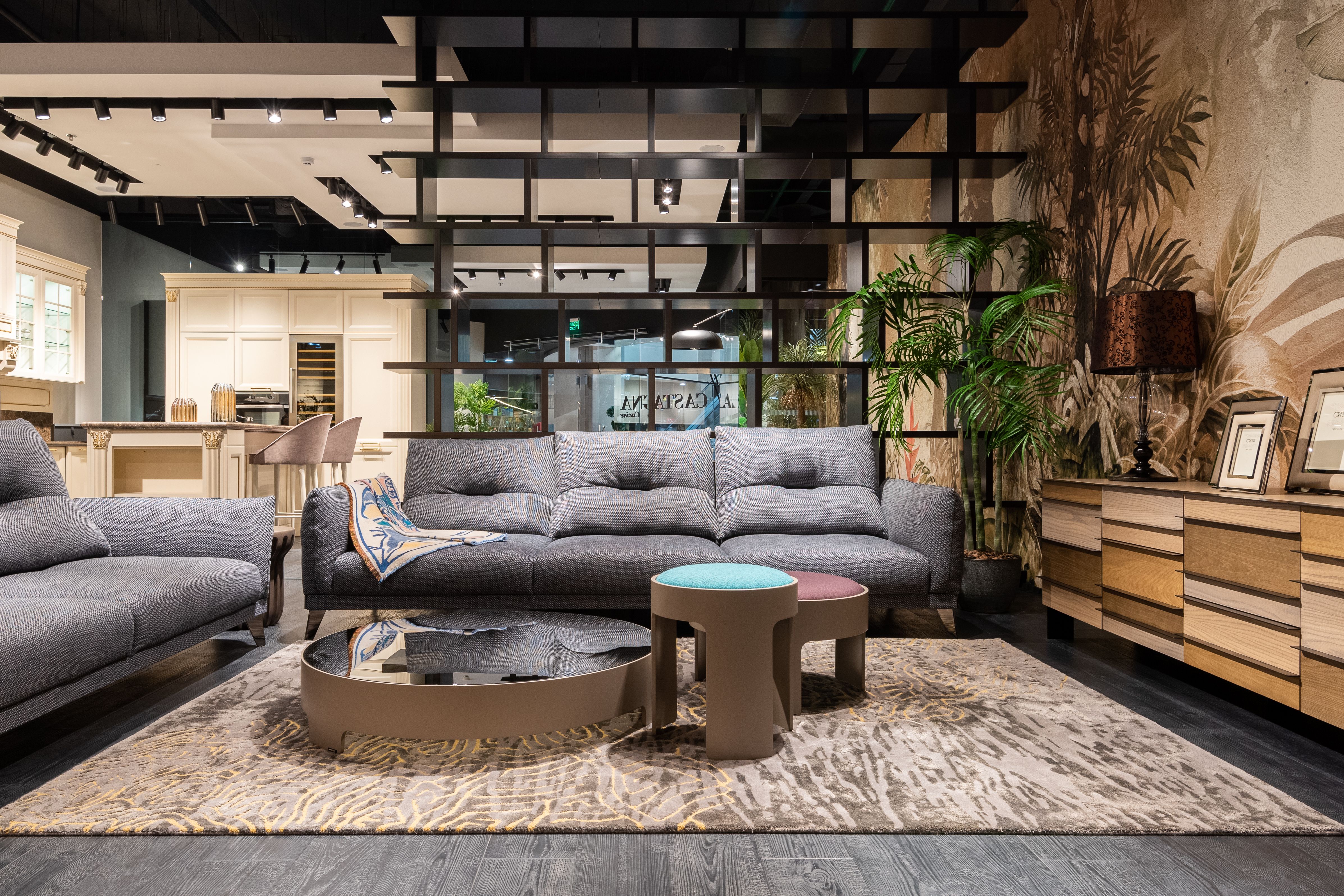
Do you sell designer furniture, home decor, or furnishings online? Do you regularly ship mirrors, vases, light fixtures, tables, or sideboards? Furniture and home decor are among the riskiest items to ship (Upela): they’re bulky, heavy, or very fragile, and therefore more susceptible to impacts and falls during handling and transport. Worse still: a drop can happen quickly even with professional movers (Boutique Déménagement), and sorting machines can only read addresses, not “Fragile” labels (Ceramiste). This guide gives you the 10 PRO steps for packing mirrors, ceramic vases, pendant lights, and designer furniture using the right materials and a double-packaging technique.
Bonus: DiscoverClaisy's 0.75% shipping insurance, which covers up to €100,000 per package for premium furniture and high-value home decor.
Why furniture and home decor items are among the riskiest items to ship
Volume + weight + fragility = maximum exposure
A 120×80 cm mirror weighs 15–25 kg with the frame; a disassembled designer sideboard weighs 35–50 kg; and a handcrafted ceramic vase has walls 3–5 mm thick. These products combine all kinds of vulnerabilities: breakable glass surfaces (mirrors, glass tabletops), brittle materials (ceramic, porcelain, blown glass), disassemblable structures with weakened joints (furniture legs, joints), and finishes prone to scratching (lacquer, varnish, polished metals).
High after-sales service costs = direct impact on e-commerce margins
A €900 designer mirror broken during delivery results in: return shipping of €50–80, redelivery of a new mirror at €50–80, repackaging/reinforced packaging at €30, and after-sales service management Dispute taking 2–3 hours = €100–150 in internal costs. Total cost of the claim: at least 230–360€ BEFORE compensation from Carrier. If Limit applies the standard CMR rate of 23€/kg, a 20-kg mirror would be compensated up to 460€ → resulting in a net loss of 470–540€ on a 900€ sale.
Limits Carriers unsuitable for designer/premium products
Flat-rate carrier “ Limits ” are designed for small, standard packages, not for designer furniture or high-value decorative items. A marble coffee table for €1,500, a Murano chandelier for €2,200, and a Scandinavian sideboard for €1,800 far exceed standard CMR compensation limits.
The Main Risks Involved in Shipping Furniture and Decorative Items
Structural damage: legs, tabletops, joints
Moving Company Alert: "Accidents can happen quickly during unloading, use of a furniture lift, unpacking, or handling by Carrier —even when professional movers are involved. " Common scenarios: table legs snapped clean off when a pallet falls; glass tabletops cracked under the pressure of stacking; wood joints coming loose due to transport vibrations; dresser drawers popping out or breaking from repeated impacts.
Cracks & chips: wood, glass, ceramic, and marble surfaces
Fragile items are subject to micro-impacts even when packaged in standard packaging: invisible cracks in glass that appear 24–48 hours after delivery (due to thermal stress), chips on the corners of mirrors and frames during automated sorting, deep scratches on lacquered or metallic surfaces caused by direct contact with cardboard, and chipping of paint or varnish due to repeated friction.
Total damage to vases, mirrors, and light fixtures
A ceramist reports: "Sorting centers hold 350 packages; the containers are tipped over to dump the packages onto platforms. " A 30-cm-tall ceramic vase thrown from a height of 1.5 meters during sorting shatters into dozens of pieces. HappyColis notes : “Glass and ceramics (light fixtures, tableware, handcrafted glassware) require proper packaging that prevents the product from moving and absorbs impacts.”
⚠️ The reality at sorting centers: La Poste's machines can only read addresses—NOT labels that say "Fragile" or "Do Not Throw." Your package may be buried under 20 others, and tipped-over containers spill packages onto the sorting platforms. Between drop-off and delivery, there are plenty of reasons why an item might arrive broken.
Recommended Packaging Materials for Furniture & Home Decor
Here is the complete list of professional equipment used by specialized movers and online retailers of designer furniture:
General List of PRO Equipment
- Double- and triple-wall corrugated boxes (large sizes: 60×40×40 cm minimum) – Upela: crush strength >200 kg, pallet stacking
- Thick bubble wrap (10mm large bubbles) – Centr'Embal: moisture- and dust-resistant, versatile for electronics, tableware, home decor, and wood items
- Foam sheets/blocks (minimum density of 40 kg/m³) – Used to pad legs, corners, and edges; absorbs side impacts
- Cardboard/Foam Corner Protectors – Centr'Embal: "Easy-to-cut foam profiles that fit perfectly around the edges of fragile items such as mirrors and office furniture to prevent chips and scratches during transport."
- Honeycomb cardboard/rigid panels – For glass tabletops, glass surfaces, and pressure-sensitive crack protectors
- Packing chips/air cushions/foam – FretBay: loose polystyrene flakes prevent impact; air cushions are not recommended for sharp, pointed edges
- Securing straps – Secure heavy items inside a cardboard box to prevent horizontal movement
- Stretch Film – Centr'Embal: "Extra protection for fragile packages against dirt, moisture, and damage during shipping"
- Reinforced adhesive tape – Minimum width 5 cm, strong and weather-resistant (Upela), tamper-evident safety tape
Sources: Upela – Packaging for Fragile Packages, Centr'Embal – 6 Protection Techniques, FretBay – Shipping Fragile Items
Hardware Table by Product Type
Sources: Thery Moving – Professional Packing Services, Selency, Demenager Facile – Lighting and Vases
✓ Quick Checklist Before Shipping Furniture/Decor
- Furniture completely disassembled (legs and drawers separated and labeled)
- Foam/cardboard corners—ALL corners protected
- 3-layer bubble wrap with crisscrossed layers; fragile surfaces secured with adhesive
- 5–8 cm cardboard base (foam/air cushions)
- Zero-contact cardboard box with solid walls
- Shock test = no internal impact noise permitted
- Items over €1,000 = double packaging (box within a box)
- HD photos from four angles taken before closing, stored in the cloud
- Insurance at 0.75% purchased BEFORE shipment
Common Mistakes to Avoid When Shipping Furniture
- Using cardboard that is too thin or worn for heavy furniture - Upela warns: "For packages weighing more than 20 kg, we recommend double- or triple-wall corrugated cardboard; for those weighing more than 50 kg, use sturdy wooden, metal, or plastic crates. " Single-wall corrugated cardboard collapses under 15 kg of vertical stacking pressure; the corners cave in, and the top of the furniture pushes against the sides, causing scratches and cracks. Recycled cardboard (3×) loses 60–70% of its mechanical strength due to crushed flutes.
- Failure to protect corners = the number one cause of breakage for trays and mirrors – Déménager Pas Cher confirms : “We do not recommend stacking multiple mirrors on top of each other, as this increases the risk of scratches, cracks, and breakage.” Unprotected corners concentrate 100% of the impact energy onto an area of 2–3 cm² = guaranteed radial cracks in glass and ceramics. Foam corner protectors (€3 per set of 4) reduce the risk at corners by a factor of 10
- Leaving empty space inside the box = furniture shifts during transport — Upela STRESSES : “When shaking the package, no movement should be felt.” A 40-kg sideboard that shifts 5 mm horizontally over a 500-km transport journey is subjected to thousands of micro-impacts from the sides = loose joints, drawers that come out or break, and scratched finishes. Perimeter padding with foam or air cushions is MANDATORY until the silent shake test is passed.
- Packing multiple fragile items in the same box without rigid dividers – Ceramic artist’s warning: “If you’re shipping multiple pieces in the same box, it’s ESSENTIAL that your pieces don’t touch each other, because they’re guaranteed to break. A small piece of bubble wrap between two plates is NOT enough.” Three 25-cm vases in the same 60×40×40-cm box REQUIRE rigid cardboard compartments separating each vase + individual foam padding.
- Do not disassemble furniture when it is possible to do so —a 120×80 cm table with screwed-on legs shipped fully assembled: 120 cm of leverage amplifies impacts 15 times more than disassembled legs that are 40 cm apart. The larger the surface area and leverage, the greater the mechanical stress during vibrations or falls. Systematic disassembly reduces breakage by 65–75%, according to FretBay.
Why Get Package Insurance for Your Furniture and Home Decor Shipments?
High unit value for designer furniture and premium home decor
Design furniture e-commerce store sells: Scandinavian sideboard for €1,800, Carrara marble table for €2,500, brass mirror (120×80 cm) for €900, Murano glass chandelier for €2,200, set of 5 handcrafted ceramic vases for €800. Average value of furniture/decor packages: €800–€2,500, well above that of standard e-commerce packages (€50–€150).
Perfect packaging ≠ perfect supply chain management
Even triple-wall corrugated cardboard + foam corners + double packaging guarantees NOTHING against: a 2-meter drop from a tipping sorting container (Ceramiste), 8 packages weighing 25 kg each stacked on top of a mirror despite the “Do Not Stack” label, rough handling by a rushed order picker (250 packages/day target), and warehouse humidity over 3 days of storage weakening the cardboard.
Comprehensive Coverage: Total or partial loss; significant cosmetic damage rendering the item unsellable or non-compliant with the customer’s order (deep scratches, cracks, chips), in accordance with Claisy’s ad valorem package insurance policy.
Prompt compensation: 72 hours after claim approval (pre-damage photos + claim form + damage report)
Focus: Optimizing Returns and Repackaging with Smart Logistics Solutions
Beyond the initial shipment, managing returns and the reconditioning of furniture and home decor items is a major challenge for furniture brands. A returned piece of furniture or home decor item requires: a quality inspection (scratches? cracks? proper assembly?), cleaning or minor repairs if necessary, reconditioning with appropriate packaging, restocking if saleable, or disposal or upcycling if unsaleable.
Specialized solutions such as SmartBack offer systems for collecting, sorting, and repurposing products (furniture, home decor, electronics, textiles) to extend their lifespan, reduce waste, and maximize profit margins on returns. Examples of services: home pickup of customer returns with immediate quality sorting; reconditioning or repair of scratched furniture or defective assemblies; resale of items unsuitable for new sale as secondhand goods; and recycling of materials (wood, metals, glass) if disposal is necessary.
Combined with appropriate packaging (which prevents unnecessary returns due to damage) and effective shipping insurance (which covers damage during transit), this approach allows for better control over the entire lifecycle of furniture and home decor products: reduced quality return rates (professional packaging minimizes breakage during delivery), increased resale of returned and reconditioned products (vs. destruction and total loss), and improved net margin (optimized after-sales service and reverse logistics costs).
To Go Further
- Comprehensive Guide to Packaging Fragile Items – General Principles Applicable to All Sectors
- 2026 E-Commerce Insurance Comparison – Insurance Solutions for Online Furniture and Home Decor Stores
- Insuring high-value packages (>€3,000 ) – Premium designer furniture, collectible pieces
- disputes -Delivery Management for E-commerce – Carrier Claim Procedures
- Integrating Claisy with Your Online Store – Automating Furniture E-Commerce Insurance